
Vincent van Gogh
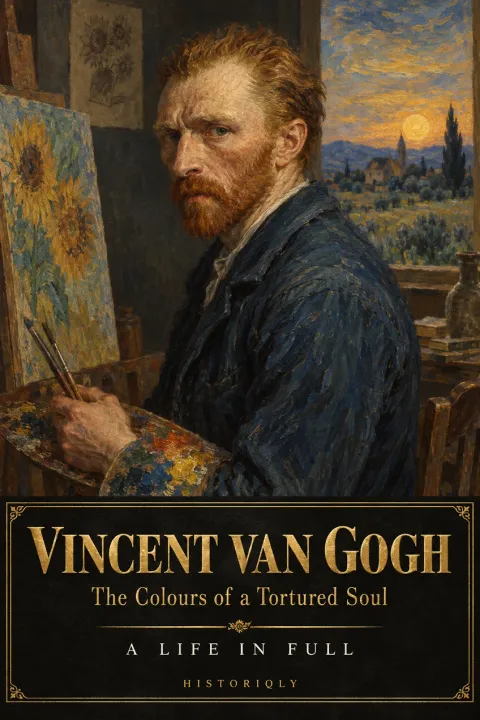
The Colours of a Tortured Soul
Get the full EPUB
Drop your email and the EPUB downloads straight to your device. We'll also ping you when the next chronicle lands — unsubscribe any time.
Your email is already on file — enjoy the read.
Download the EPUBVan Gogh’s paintings are often approached through the story of his death. His letters offer a fuller starting point: a working artist discussing colours, money, exhibitions and the people whose help mattered to him. This reconstructed biography follows those efforts as well as the illness that interrupted them, without treating suffering as an explanation for every canvas.
“If you hear a voice within you say ‘you cannot paint,’ then by all means paint, and that voice will be silenced.”
1853–1890
Born on 30 March 1853 in Groot-Zundert, North Brabant, Netherlands. Died on 29 July 1890 at Auvers-sur-Oise, France — thirty-seven years that included failed careers as an art dealer, teacher, and missionary before a decade of furious artistic creation.
~10 years
Van Gogh did not begin painting seriously until age 27 in 1880, and died at 37. In that compressed decade he produced an output that most artists could not achieve in a lifetime — roughly 2,100 artworks including 900 oil paintings.
~900
His total output includes approximately 860–900 oil paintings and over 1,100 drawings and sketches, plus watercolours and prints. In his final 70 days at Auvers alone, he painted more than 70 canvases — roughly one per day.
820+
Van Gogh’s surviving correspondence — mostly letters to his brother Theo — totals over 820 letters. They form one of the most extraordinary literary records by any artist, revealing his thoughts on art, love, suffering, and the meaning of painting.
Post-Impressionist master who created roughly 2,100 artworks in a decade, transforming modern art
Defining Events
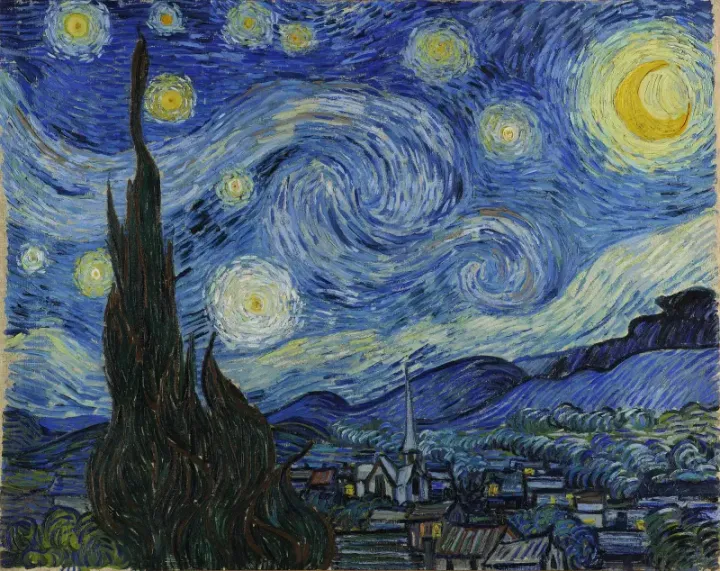
The Starry Night
Painted in June 1889 at Saint-Rémy, The Starry Night combines observation with invention. Its village was not visible from Van Gogh’s window. The painting belongs to the Museum of Modern Art in New York.
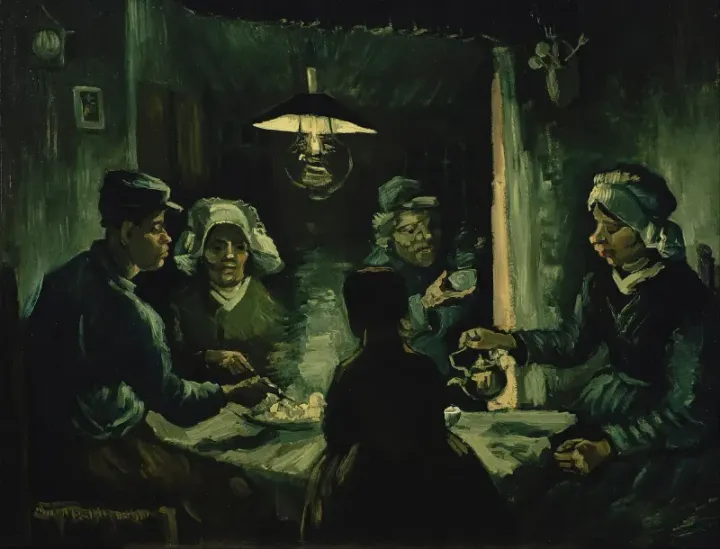
The Potato Eaters
Painted in Nuenen in April–May 1885, the composition places five figures around a meal under a hanging lamp. Van Gogh intended the hands and rough setting to convey the labour through which the food had been earned.
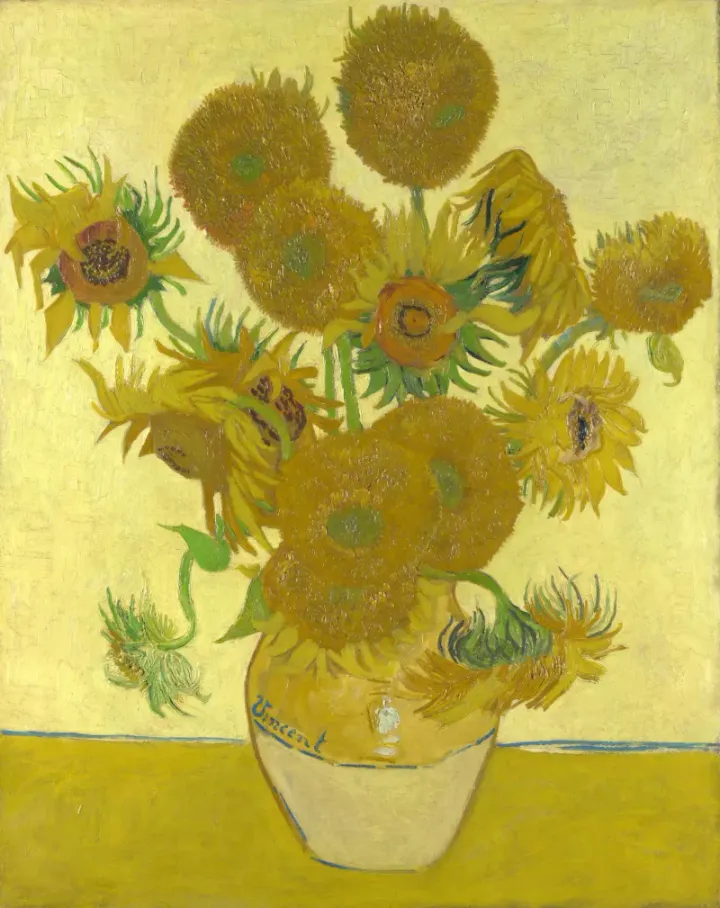
The Sunflowers
Van Gogh painted four versions of Sunflowers in August 1888, as he prepared for Gauguin and the shared studio at Arles. The series varies the flowers and their backgrounds; its colour and texture emerge from those differences.
Timeline
Born in Groot-Zundert
Born on 30 March in the parsonage at Groot-Zundert, North Brabant, exactly one year after a stillborn brother also named Vincent. His father Theodorus was a Dutch Reformed pastor; his uncle “Cent” was a partner in the art dealing firm Goupil & Cie. The Van Gogh family straddled two worlds — the church and the art trade — and Vincent would try both before finding his own path.
Art Dealer at Goupil & Cie
Van Gogh entered Goupil in The Hague in 1869 and later worked in London and Paris. The trade gave him a sustained education in pictures. His employment ended in 1876; the familiar story of a decisive rejected romance in London remains uncertain.
Missionary in the Borinage
After teaching and unsuccessful preparation for religious work, Van Gogh went to the Belgian mining district. His paid evangelical appointment was not renewed in 1879. He remained for a time before concentrating on drawing.
Decision to Become an Artist
In 1880, Van Gogh increasingly committed himself to drawing, encouraged and supported by Theo. He studied reproductions after artists such as Millet and continued his work in Brussels.
The Potato Eaters
In Nuenen, repeated studies of heads and interiors led toward The Potato Eaters. Van Rappard’s criticism of the related lithograph provoked a dispute; the finished painting did not immediately establish a market for Van Gogh’s work.
Paris and the Impressionists
Living with Theo in Paris, Van Gogh experimented with brighter colour and different brushwork. Contact with painters including Bernard, Signac, Toulouse-Lautrec and Gauguin, and study of Japanese prints, helped broaden his practice.
The Yellow House and the Ear
In February, Van Gogh moved to Arles seeking southern light. He rented the Yellow House and envisioned an artists’ colony. Gauguin arrived in October; tensions escalated over two months. On the night of 23 December, after a violent argument, Vincent severed most of his left ear with a razor. The “Studio of the South” dream collapsed.
The Starry Night at Saint-Rémy
Voluntarily admitted to the Saint-Paul-de-Mausole asylum, Van Gogh painted approximately 150 canvases in a year — including The Starry Night, Irises, and his most celebrated self-portrait. Between breakdowns, he worked with extraordinary intensity, producing some of the most emotionally powerful landscapes in the history of art.
Death at Auvers-sur-Oise
Van Gogh dies on 29 July 1890, two days after suffering a gunshot wound. Suicide is the standard historical account, though aspects of the event remain uncertain. Theo’s later letter to their sister Lies reports words spoken at the bedside; it is not a transcript of Vincent’s final thoughts.
Key Figures
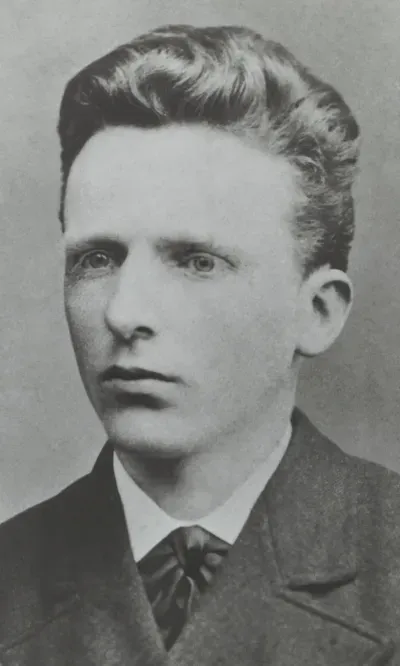
Theo van Gogh
Four years younger, Theo was the axis around which Vincent’s entire artistic life revolved. An art dealer at Boussod, Valadon & Cie in Paris, Theo provided the monthly allowance that kept Vincent alive and painting. Their correspondence — over 660 letters — is one of the great literary records in art history. Theo married Johanna Bonger in 1889; their son was named Vincent Willem. After Vincent’s death, Theo collapsed mentally and physically, dying just six months later in January 1891, at thirty-three. Johanna later had Theo’s remains reinterred beside Vincent in Auvers.
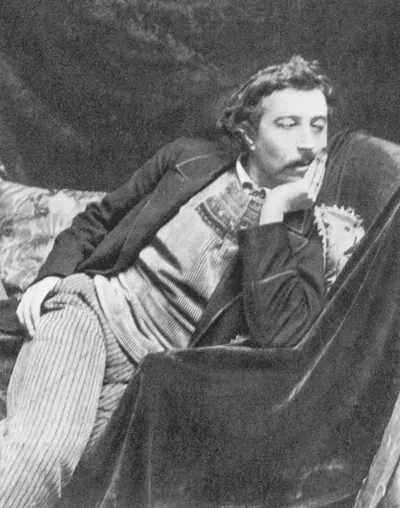
Paul Gauguin
Gauguin joined Van Gogh in Arles in October 1888. They worked together and argued about their art; their shared household ended during Van Gogh’s December crisis and hospitalisation. Later accounts, including Gauguin’s, require comparison rather than being treated as a complete eyewitness record.
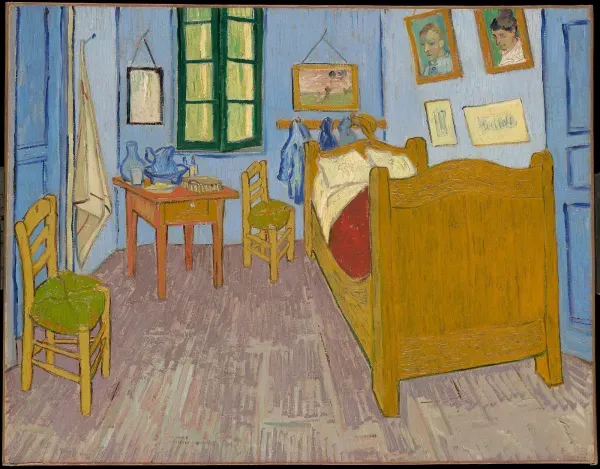
The Legacy of Vincent van Gogh
Van Gogh’s reputation grew through the efforts of artists, collectors and his family, especially Jo van Gogh-Bonger, who published his letters to Theo in 1914. The correspondence preserves a working life more complex than the familiar image of an isolated, unrecognised genius.
The book is a reconstruction, not Van Gogh speaking in his own words throughout. Read it alongside the paintings and letters, which sometimes resist the tidy story a biography wants to tell.
Get the Full Book
Read the story of Vincent van Gogh — 8 chapters of historical narrative.
Dramatised first-person narrative; not an autobiography.