
Alexander Hamilton
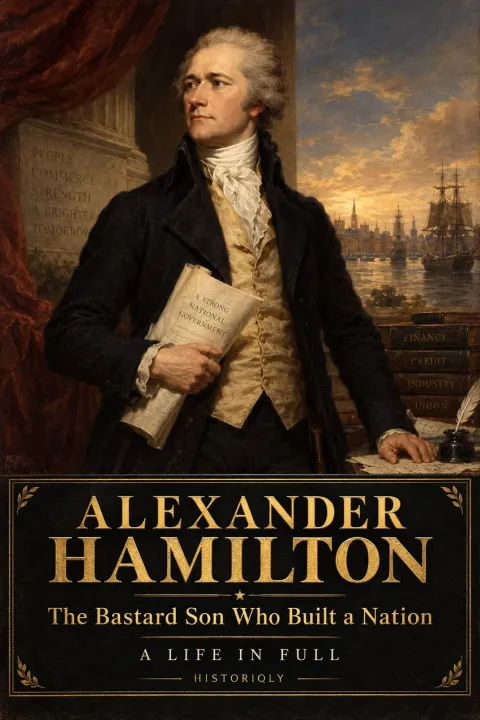
The Bastard Son Who Built a Nation
Get the full EPUB
Drop your email and the EPUB downloads straight to your device. We'll also ping you when the next chronicle lands — unsubscribe any time.
Your email is already on file — enjoy the read.
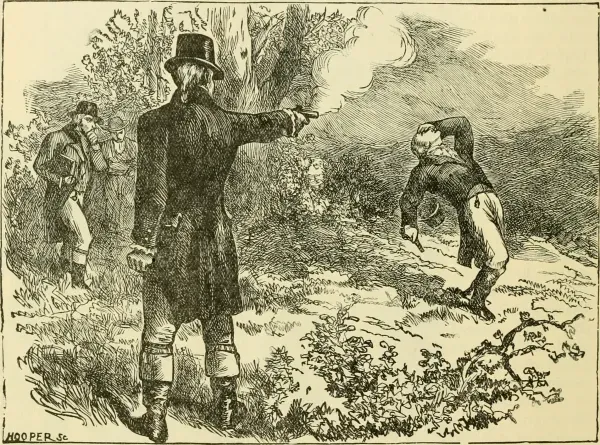
Download the EPUBOn July 11, 1804, Alexander Hamilton and Vice President Aaron Burr exchanged shots at Weehawken. Hamilton was mortally wounded and died in Manhattan the next day. His career had carried him from Caribbean commerce through the Revolution to the Treasury, where he helped establish federal credit and finance. The duel ended that career, but the witnesses did not agree about the sequence of shots or Hamilton’s actions. This narrative follows the public record while distinguishing evidence from later legend.
“A nation which can prefer disgrace to danger is prepared for a master, and deserves one.”
1755/57–1804
Born on the island of Nevis in the British West Indies on January 11, 1755 (or 1757 — the year was never settled). Died on July 12, 1804, in New York City, the day after being shot by Vice President Aaron Burr in a duel at Weehawken, New Jersey.
51
Hamilton wrote fifty-one of the eighty-five Federalist Papers — essays published in 1787–1788 to persuade New York to ratify the new Constitution. James Madison wrote twenty-nine and John Jay five. Hamilton conceived the project, recruited his co-authors, and drove the publication schedule with relentless energy.
1768
His father had left the household before Rachel’s death in 1768. Alexander and his brother depended on relatives and other supporters; uncertainty about his birth year makes an exact age inappropriate.
5
As the first Secretary of the Treasury, Hamilton submitted five landmark reports to Congress: on public credit, on a national bank, on a mint, on manufactures, and on the revenue system. Together they created the financial architecture of the United States.
Founding Father, first Secretary of the Treasury, Federalist Papers, creation of the U.S. financial system
Defining Events
The Hurricane Letter
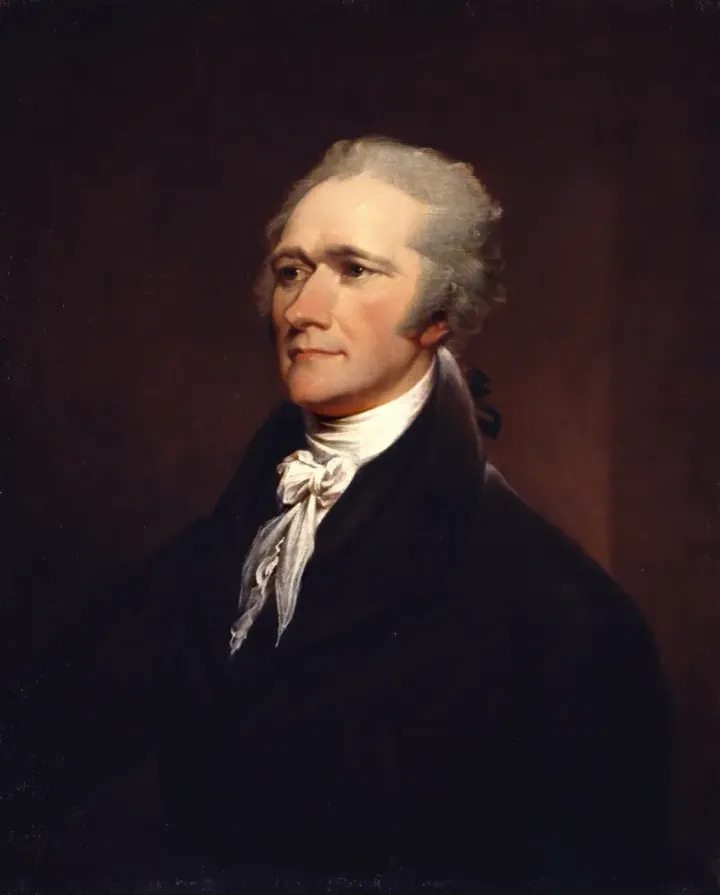
Hamilton’s account of the 1772 hurricane was published in the Royal Danish American Gazette. Local support helped him continue his education in North America. The letter belongs to a wider history of patronage and opportunity, rather than explaining his departure on its own.

Washington's Right Hand
Hamilton joined Washington’s staff as an aide-de-camp in 1777. He drafted correspondence and helped manage headquarters business before obtaining a field command in 1781. He was an important member of a larger staff, rather than the solitary mind behind Washington’s command.
The Federalist Papers
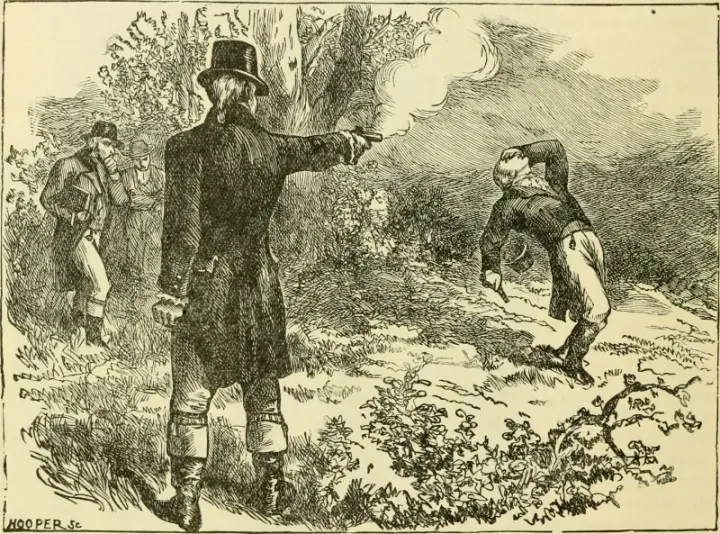
Alarmed that New York might refuse to ratify the new Constitution, Hamilton conceived and largely wrote The Federalist — eighty-five essays published under the pseudonym Publius. He recruited James Madison and John Jay as co-authors, but Hamilton himself wrote fifty-one of the essays at a pace of roughly one thousand words per day. The series remains the single most important commentary on the U.S. Constitution and a foundational text of American political philosophy.
Timeline
Born on Nevis
Alexander Hamilton was born on the island of Nevis in the British West Indies, the illegitimate son of Rachel Faucette and James Hamilton, a Scottish trader. The year of his birth — 1755 or 1757 — was never definitively established.
Orphaned on St. Croix
Rachel Hamilton died on St. Croix in 1768. Alexander continued to depend on relatives, employers and other supporters as he worked in commerce and sought an education.
The Hurricane Letter
Hamilton’s hurricane account appeared in the local newspaper. With help from supporters, he went to North America for further education and later studied at King’s College in New York.
Joins the Revolution
Hamilton raised and commanded an artillery company in the Continental Army. His performance at the Battle of Trenton and other engagements caught Washington's attention. By early 1777, he was invited to join Washington's staff as aide-de-camp.
Yorktown
Hamilton finally received the battlefield command he craved, leading a daring nighttime assault on Redoubt No. 10 at the Siege of Yorktown. The successful attack helped seal the British surrender and effectively ended the Revolutionary War.
Constitutional Convention
Hamilton attended the Philadelphia Convention as a delegate from New York and delivered a controversial six-hour speech advocating a strong executive. Though his proposals were not adopted, he signed the final document and threw himself into the ratification campaign.
First Secretary of the Treasury
President Washington appointed Hamilton as the first Secretary of the Treasury. Over the next six years, Hamilton created the nation's financial infrastructure: assuming state debts, establishing a national bank, founding the U.S. Mint, and laying the groundwork for American capitalism.
The Duel at Weehawken
On July 11, 1804, Hamilton faced Vice President Aaron Burr in a duel on the heights of Weehawken, New Jersey. Hamilton was struck by a bullet that lodged in his spine. He was rowed back to Manhattan and died the following afternoon, surrounded by his wife Eliza and their children.
Key Figures
George Washington
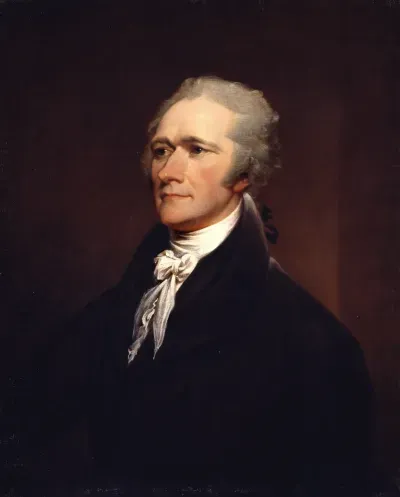
Washington plucked the twenty-two-year-old Hamilton from an artillery command and made him his chief aide-de-camp — the beginning of the most consequential political partnership of the founding era. Washington trusted Hamilton's intellect and energy absolutely, appointing him the first Secretary of the Treasury and relying on his judgment through two presidential terms. Hamilton, in turn, revered Washington as the indispensable man of the Revolution.
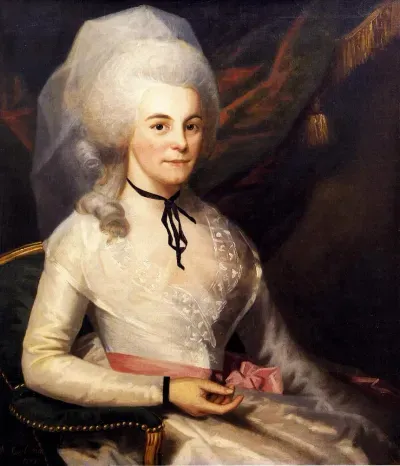
Aaron Burr
Burr and Hamilton were political rivals and fellow New York lawyers who sometimes cooperated professionally. Hamilton opposed Burr in the presidential tie and the 1804 governor’s race. A dispute over remarks attributed to Hamilton led to their fatal encounter. Hamilton’s claim that Burr lacked principles remains an adversary’s judgment, not a neutral description.
The Legacy of Alexander Hamilton
Hamilton died on July 12, 1804, leaving Elizabeth, seven surviving children, debts and an extensive body of work. His contributions to federal finance endured through institutions that later generations changed and contested. His relationships with slavery, party politics and public honor complicate any simple account of national greatness.
The book is a historical narrative, not Hamilton’s autobiography. It follows his career and the disputed evidence surrounding the duel, with the surviving record kept distinct from reconstruction.
Get the Full Book
Read the story of Alexander Hamilton — 10 chapters of historical narrative.
Third-person historical narrative.